
Farm sales in Norway strengthen Norwegian food and drink culture
The government's announced opening of expanded farm sales in Norway will give producers the opportunity to sell alcohol above store strength directly from the farm. The proposal is being met with great enthusiasm from Norwegian beverage producers. At the same time, the industry is asking that the scheme be introduced in a way that both safeguards the role of Vinmonopolet and alcohol policy considerations, so that it gets off to a sustainable start.
– Opening up sales directly from producers is a unique opportunity to strengthen Norwegian food and drink culture, but it must be done wisely so that we ensure that the scheme works from the start, says Bernt Bucher Johannessen, CEO of HANEN.
Joint effort for yard sales in Norway
For the first time, HANEN, Norwegian Distilleries, the Norwegian Grape Growers Association and the Brewery and Beverage Association have joined forces to propose a comprehensive model for farm sales.
The goal is clear: to create growth, jobs and vibrant villages across the country.
– This is about more than selling alcohol. It is about creating vibrant villages, unique food and drink experiences and more jobs in the districts, says Kjell Maartmann-Moe of the Norwegian Grape Growers Association.
Strict framework to ensure legitimacy
The proposal emphasizes clear limitations: only self-produced goods above 4,7 percent alcohol strength may be sold, and sales must take place from the place of production.
A maximum limit of 15,000 liters per producer per year is also proposed – the same level as the current cider scheme.
– We propose strict limits on what, how much and where it can be sold. This will challenge neither the Vinmonopolet nor alcohol policy, says Erlend Fuglum, director of the Norwegian Breweries and Beverages Association.
Local value creation and sustainability
Expanded farm sales could provide new opportunities for local producers and villages across the country. For many small farmers, this could be the key to a more sustainable operation.
– Strengthening local producers gives tourists and locals the opportunity to taste traditional craftsmanship built up over generations, says Lars Ole Ørjasæter from Norske Destillier.
The success story from cider production
The cider scheme shows that farm sales work. In ten years, sales of Norwegian cider have increased twelvefold, and the share of Norwegian ciders at Vinmonopolet has increased from 40 to 80 percent – at the same time as alcohol consumption in Norway has decreased.
– The result is more jobs, increased value creation and a stronger food and beverage culture, says Bucher Johannessen.
Avoid the mistakes from Sweden
Experience from Sweden and Finland shows that farm sales can work within the EEA agreement, but that some restrictions can weaken the scheme. The Norwegian model suggests avoiding unnecessary requirements that have caused problems in Sweden – such as production caps, requirements for paid tours and health warnings for producer sales only.
– To succeed, we must avoid unnecessary bureaucracy and costly processes. The Norwegian model should be simple, predictable and the same throughout the country, says Fuglum.
Research and raw materials in focus
A central part of the proposal is to strengthen research on Norwegian raw materials such as barley, apples and kveik – and to stimulate increased use of Norwegian-produced raw materials in beverage production. This will build on the distinctive Norwegian character and contribute to more local value creation.
A scheme for the future
The four organizations are collectively behind a proposal that addresses both alcohol policy, the role of Vinmonopolet, and the industry's need for growth.
With the experience from the side scheme behind it and a wise framework, the industry believes that expanded farm sales will provide a win-win situation for producers, districts and Norwegian food culture.
You can read the full press release here.
FAQ – frequently asked questions about extended yard sales
1. What does “extended yard sale” mean?
This means that producers can sell alcoholic beverages above store strength directly from the farm or production site.
2. Who is behind the proposal?
HANEN, Norwegian Distilleries, the Association of Norwegian Grape Growers and the Brewery and Beverage Association.
3. What is the main objective of the scheme?
To strengthen Norwegian food and drink culture, create jobs and contribute to vibrant villages – without challenging Vinmonopolet.
4. What is the proposed sales limit?
15,000 liters above 4,7% vol alcohol per producer per year.
5. Why is the role of Vinmonopolet important to preserve?
To ensure legitimacy and support for alcohol policy, as well as maintain a level playing field.
6. When can the scheme come into effect?
It depends on the government's further consideration and consultation process.
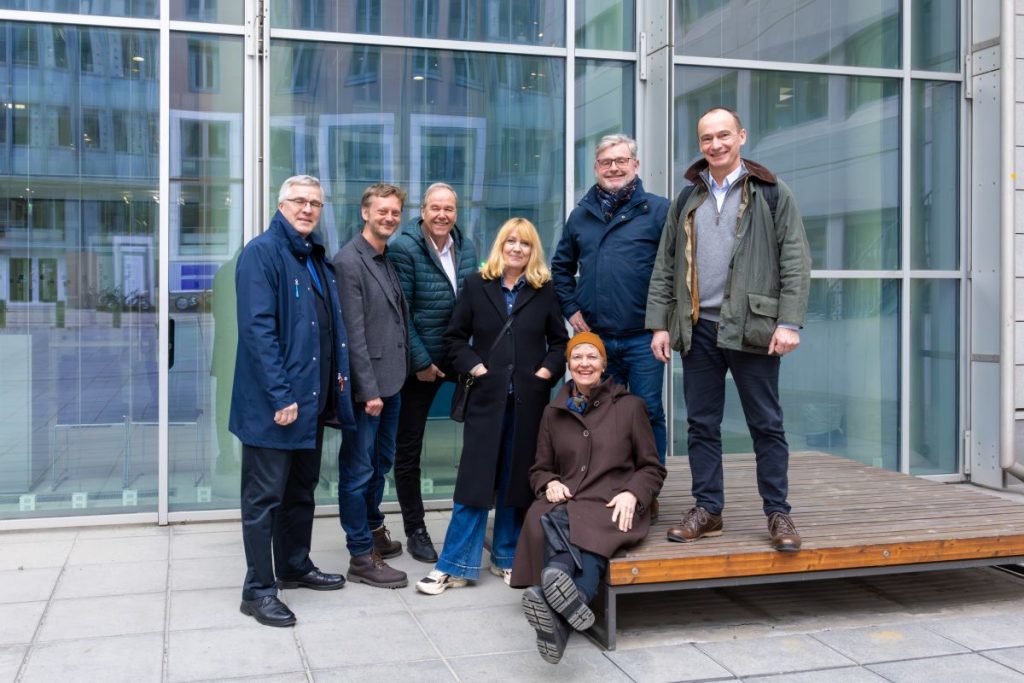
Photo from the Norwegian Breweries Association: From left: Lars Ole Ørjaseter – Norwegian Distilleries, Erlend Fuglum – BROD, Kjell Maartmann – FND, Hege Ramseng – BROD, Bernt Bucher-Johannessen – HANEN and Albert Schamaun – FND. In front of Stine Sem – HANEN